The Story
Between Fjord and Forest
Four chapters that shape Gullfuglen — the landscape that surrounds it, the fairytale that gave it its name, the spirit of a country, and the way of living it invites you into.
I.
The Physical Story
Oslo, Between Fjord and Forest
Few capitals in the world are shaped as profoundly by nature as Oslo.
Nestled between the Oslo Fjord and vast forests, the city has always lived in close dialogue with both water and woodland. Within minutes, one can move from the waterfront to quiet forest trails, from contemporary architecture to landscapes that have remained largely unchanged for centuries.
For generations, the fjord was Oslo's connection to the world. Fishing boats, merchant vessels and ships carrying goods from across Europe entered the harbour, helping shape the city that exists today. Long before Bjørvika became a vibrant cultural district, these waters formed the heart of Oslo's maritime life.
Even now, traces of the past continue to emerge. During the development of the waterfront, archaeologists uncovered remnants of historic ships preserved beneath the mud, revealing stories of trade, craftsmanship and everyday life from centuries ago. Beneath the modern city lies another Oslo, quietly waiting to be rediscovered.
The forest tells a different story.
Rising above the city, the wooded hills have long provided shelter, resources and recreation. They remain an essential part of Oslo's identity, shaping a culture that values simplicity, balance and a close relationship with nature.
Where water and forest meet, art has found a natural home.
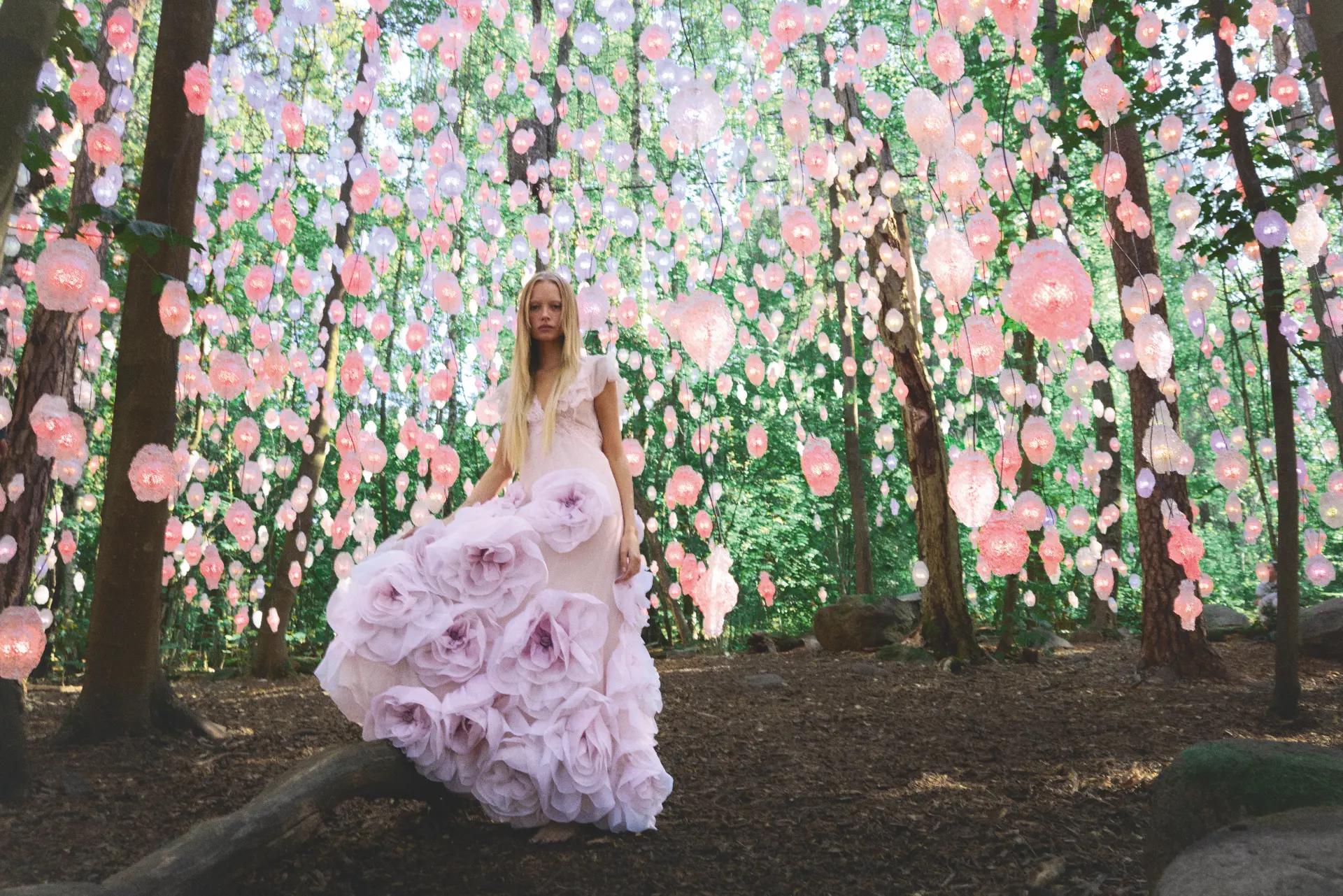
One of the city's most remarkable destinations is Ekebergparken, where contemporary sculpture is woven into the landscape. Here, internationally acclaimed artists share space with ancient trees, rocky hillsides and panoramic views across the fjord. It is a place where nature becomes part of the artwork itself.
Among the works that continue to inspire us is Pixel Forest by Pipilotti Rist — a playful, immersive installation that transforms light into a living experience. Like much of the art found throughout Oslo, it invites visitors to slow down, engage their senses and see familiar surroundings from a new perspective.
This relationship between landscape, history and creativity continues to inspire contemporary Norwegian artists. Themes of memory, heritage and belonging can be found in the work of artists such as Christin Løkke, whose practice explores our connection to the past and the stories that shape who we are.
At Gullfuglen, these influences are never far away.
The fjord outside, the forests beyond, the city's maritime heritage and its thriving cultural scene all form part of the experience. Together they tell a story about Oslo — a city shaped by nature, enriched by history and continually renewed through art and design.
II.
The Cultural Story
The Tale of Gullfuglen
A Norwegian Fairytale
Long before Norway became known for its fjords, architecture and northern lights, stories travelled from farm to farm, carried through generations around the fire.
One of these stories is the tale of Gullfuglen — The Golden Bird.
A king discovers that a magnificent golden bird visits his garden at night. Determined to capture it, he sends his sons on a journey. The two eldest rely on strength and certainty, but repeatedly fail. The youngest son, often underestimated by everyone around him, chooses a different path.
He listens.
He helps strangers.
He shows kindness when there is nothing to gain.
And in doing so, he finds what the others cannot.
Eventually he succeeds where the others fail, returning not only with the Golden Bird, but with wisdom earned through the journey itself.
More Than A Fairytale
Like many Norwegian folk tales, Gullfuglen is not really about gold.
It is about how we move through life.
The story reminds us that the most valuable things are often found by those who remain curious, humble and open to the unexpected.
In Norwegian folklore, the hero is rarely the strongest or wealthiest person. More often, it is the person who treats others well, listens carefully and keeps going when the path is uncertain.
The Norwegian Spirit
There is something deeply Norwegian in this idea.
Nature teaches patience.
The mountains teach humility.
The sea teaches respect.
And the old folk tales remind us that success is often found not in conquest, but in balance.
Why We Chose The Name Gullfuglen
Our home sits between the Oslo Fjord and the forests that surround the city.
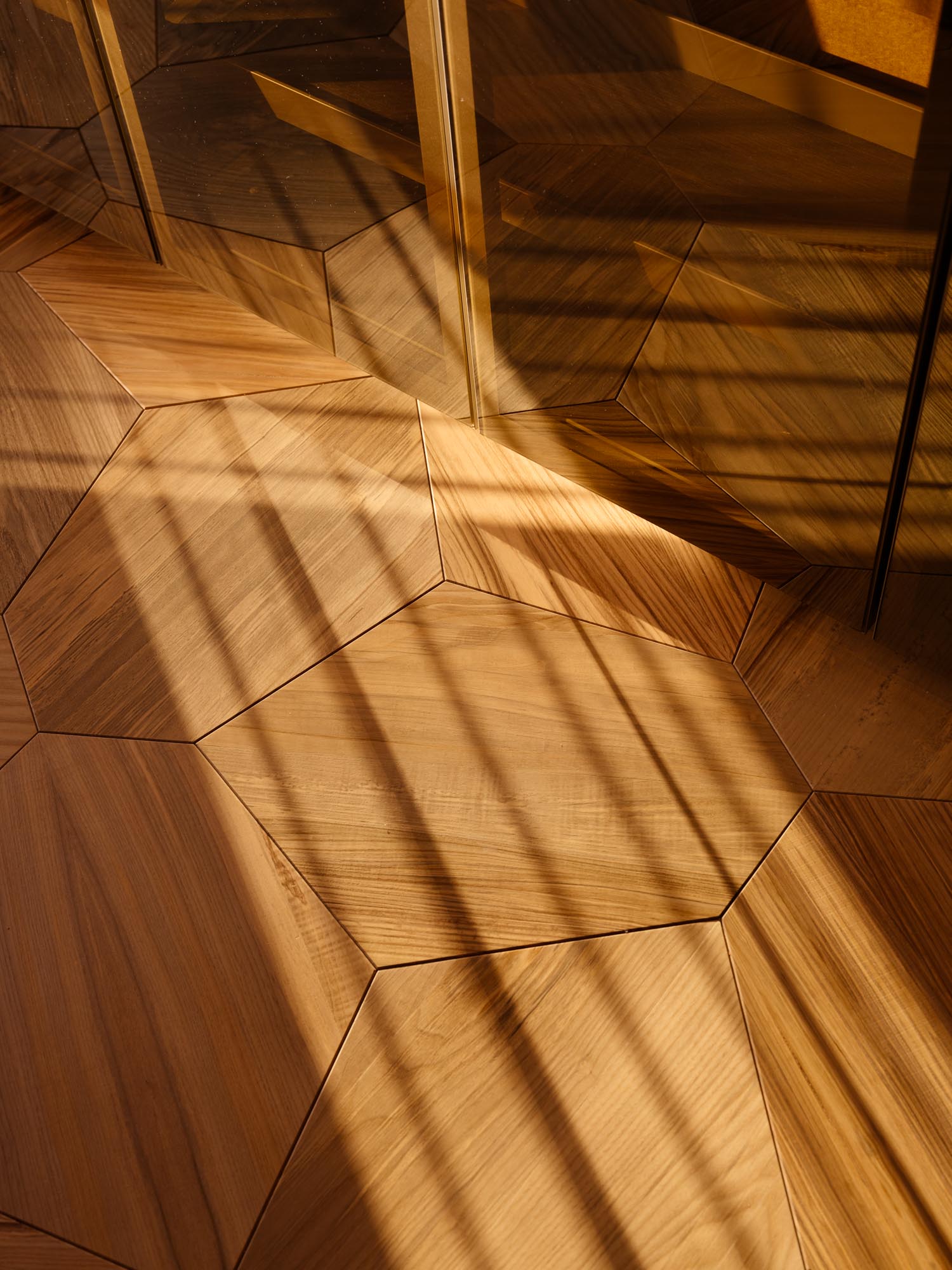
The interiors draw inspiration from water, stone, wood and light — elements that have shaped Norwegian life for centuries.
For us, Gullfuglen became a symbol of discovery.
Not a place to simply stay, but a place to pause, explore and experience something meaningful.
We hope every guest leaves with a little of what the youngest son found in the story:
A sense of wonder.
A fresh perspective.
And perhaps a reminder that life's greatest treasures are rarely the ones we can hold in our hands.
III.
The National Story
The Norwegian Spirit
The Norwegian spirit is not easily defined.
It is not a philosophy that was written down, nor a movement created by a single generation. Rather, it has been shaped over centuries by the landscapes people lived in and the challenges they faced.
The sea connected Norway to the world.
The forests provided shelter, materials and livelihoods.
The mountains demanded resilience and respect.
Together, they shaped a culture built on resourcefulness, trust and a deep appreciation for nature.
These qualities are reflected throughout Norwegian folklore. In the tale of Gullfuglen, the youngest brother succeeds not through strength or status, but through curiosity, kindness and the ability to listen. He understands that every encounter has value and that wisdom often comes from unexpected places.
The story continues to resonate because it reflects something deeply rooted in Norwegian culture: a belief that humility can be a strength, that cooperation often matters more than competition, and that the journey itself can be as important as the destination.
These ideas continue to influence how Norwegians create, build and live today.
In architecture, there is often a close dialogue between nature and design. Buildings are shaped not only for the landscape, but with the landscape. From the internationally acclaimed Opera House by Snøhetta, where visitors are invited to walk upon the roof itself, to contemporary works by architects such as Lund Hagem, Reinulf Ramstad and Nils Torp, Norwegian architecture frequently seeks simplicity, functionality and a strong connection to its surroundings.
The same spirit can be found in art, design and craftsmanship.
Rather than separating beauty from function, Norwegian traditions have often combined the two. Boats, furniture, textiles, ceramics and everyday objects were expected to be useful, durable and beautiful at the same time. This heritage continues to inspire contemporary makers, artists and designers across the country.
Perhaps this is why Norway's cultural identity feels both modern and timeless.
Innovation is valued, yet traditions are respected.
International influences are welcomed, yet local roots remain important.
Nature is not viewed as something separate from daily life, but as an essential part of it.
At Gullfuglen, these ideas are present throughout the residence — in the materials, the artworks, the craftsmanship and the experiences we choose to share.
They reflect a way of living that values quality over excess, meaning over status, and connection over distraction.
A spirit shaped by the sea, the forest and the stories passed from one generation to the next.
While these traditions are deeply rooted in Norway, the ideas they represent are universal. Curiosity, craftsmanship, beauty, belonging and our relationship with nature are themes shared across cultures and generations.
Perhaps this is why art, design and storytelling continue to connect people from different backgrounds. While we may come from different places, many of the things that matter most are remarkably similar.
IV.
The Modern Story
Balance in Life
What gives us energy?
For some, it is found in nature.
For others, in creativity, conversation, discovery or human connection.
At Gullfuglen, we believe that the spaces we inhabit influence how we feel, how we think and how we interact with one another.
Light, air, water, materials, colours and views all play a role. Not because they change who we are, but because they can help bring out the best in us.
A beautiful setting invites us to slow down.
To pay attention.
To become curious.
Perhaps even to become a little kinder.
In many ways, it is not unlike putting on a beautiful outfit. We stand a little taller. We become more present. We notice things we might otherwise overlook.
Many people travel to Norway in search of nature. The fjords, mountains and Northern Lights are extraordinary experiences and, for many, lifelong memories.
Yet balance can be found in different places.
For some, it is discovered on a mountain peak.
For others, it may be found around a table, in a conversation, through a work of art, a beautifully designed space or a meal shared with friends.
Perhaps this is why Oslo continues to surprise so many visitors.
Here, the fjord and the forest are never far away, yet the city also offers world-class architecture, contemporary art, craftsmanship, exceptional food and culture.
It is possible to experience both nature and city life in the same day.
To move between quiet reflection and creative stimulation.
Between simplicity and sophistication.
As a private residence rather than a hotel, Gullfuglen was designed to be experienced together.
Around a table.
In a living room.
On a terrace overlooking the fjord.
Often, the most memorable moments are not planned. They emerge naturally from a conversation, a shared meal, an artwork that sparks curiosity or a new perspective discovered unexpectedly.
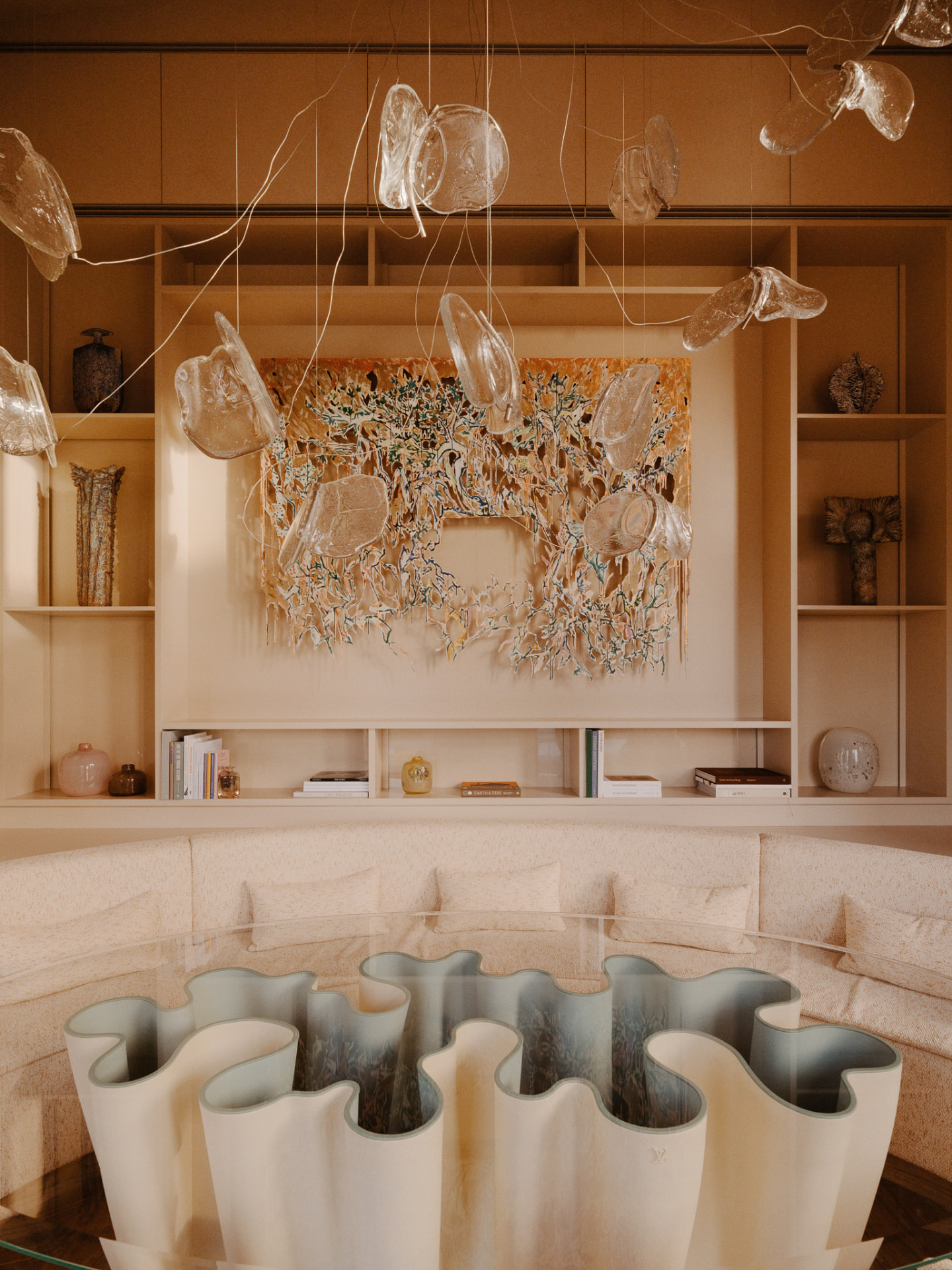
During a recent visit to a ceramics exhibition, I was reminded of the importance of the vessel — one of humanity's oldest inventions. A vessel allows something valuable to be carried from one place to another.
Perhaps the same can be said of meaningful spaces.
The most memorable places are not defined by their walls, furniture or architecture alone, but by what they make possible.
A conversation.
A discovery.
A friendship.
A shared experience.
A different way of seeing the world.
At Gullfuglen, we think of the home as a vessel for experiences — a place designed to bring people together and create the conditions for curiosity, connection and discovery.
Because ultimately, balance is not simply about rest.
It is about creating space for the things that give life energy, meaning and joy.
And perhaps what we remember most is not the place itself, but what it carried.
Continue